The six most common approaches to organizational design include simple, functional, divisional, matrix, team and network designs. A company will choose their organizational structure based on their needs. The organizational design will reflect a structure that aligns to the business at any given moment in time.
What are the dimensions of organizational design?
Formalization, centralization, specialization, standardization, complexity, and hierarchy of authority are the six basic design dimensions in an organization.
What are the four basic dimensions of organizational structure?
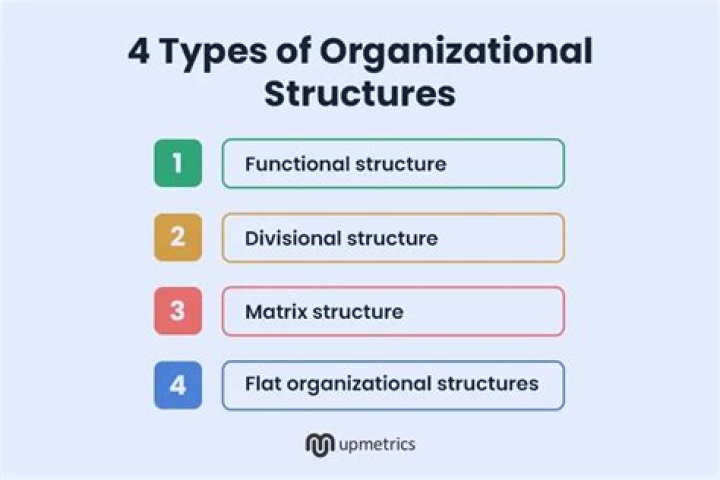
Traditional organizational structures come in four general types – functional, divisional, matrix and flat – but with the rise of the digital marketplace, decentralized, team-based org structures are disrupting old business models.
What are the models of an organization?
Consider these models seen in today’s marketplace: Line, Functional, Line and Staff, Project Based, Matrix. Each of these structures, when properly laid out in an organisational chart, show the chain of command in any organisation. It helps define responsibilities and team workflow management.
What are the two types of organizational design?
Organizational designs fall into two categories, traditional and contemporary. Traditional designs include simple structure, functional structure, and divisional structure. Contemporary designs would include team structure, matrix structure, project structure, boundaryless organization, and the learning organization.
What are the most critical dimensions of organizational structure?
Namely there are five dimensions which includes, formalization, specialization, hierarchy of authority, complexity and centralization to perceive the importance of organization design.
Which organizational model is best?
Line Organizational Structure. This is the most traditional of the organizational structures that businesses use.
What are the 2 types of structures?
One-dimensional: Ropes, cables, struts, columns, beams, arches. Two-dimensional: Membranes, plates, slabs, shells, vaults, domes, synclastic, anticlastic. Three-dimensional: Solid masses. Composite.