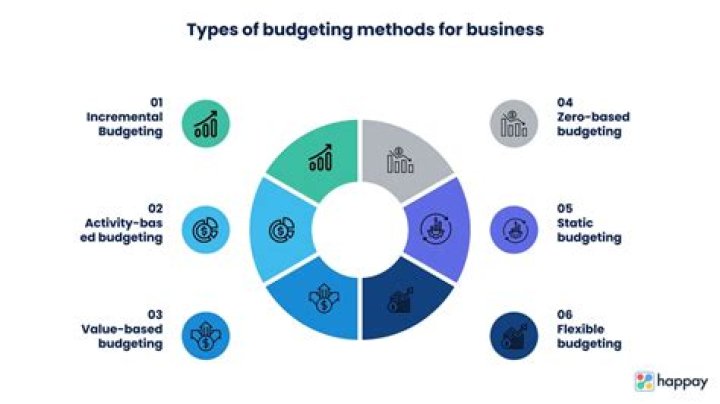
Activity-based budgeting (ABB) is a budgeting method where activities are thoroughly analyzed to predict costs. There are three main steps in ABB: identifying cost drivers, projecting total units, and estimating the cost per unit.
How is activity based budget prepared?
Activity based budgeting is a budgeting method in which budgets are prepared using Activity Based Costing after considering the overhead costs. Instead, the activities that incur the cost are deeply analyzed and researched. Based on the outcome of the study, the resources are allocated to an activity.
How would you describe zero-based budgeting?
Zero-based budgeting (ZBB) is a method of budgeting in which all expenses must be justified for each new period. Budgets are then built around what is needed for the upcoming period, regardless of whether each budget is higher or lower than the previous one.
What are the four characteristics of zero-based budgeting?
Characteristics of Zero Based Budgeting Decisions are based on what each unit can offer at the given cost. Individual unit’s objectives are aligned with the corporate objectives. Instant adjustments in the budget are possible if required. All the levels of the organization participate in the process of decision making.
What is the most likely downside of zero-based budgeting?
List of the Disadvantages of Zero-Based Budgeting
- It takes a lot of time to manage a zero-based budget.
- Having an unpredictable income can make this budgeting method impossible to use.
- A zero-based budget has more subjectivity in the decision-making process.
- It could be detrimental to your long-term financial goals.
What do you need to know about activity based budgeting?
ABB does not take historical costs into account when creating a budget. Activity-based budgeting (ABB) is a budgeting method where activities are thoroughly analyzed to predict costs. There are three main steps in ABB: identifying cost drivers, projecting total units, and estimating the cost per unit.
Which is an example of activity based costing?
Determine the total overhead of each cost pool. For example, purchasing could be its own cost pool. Next, assign activity cost drivers to each cost pool. Cost drivers are things (e.g., units, hours, parts, etc.) that control the changes in costs. For example, purchasing costs are driven by the number of parts purchased.
What does it mean when an animal has an activity budget?
Every animal has an activity budget. Simply put, activity budgets measure how much time an animal spends performing a particular behavior. These figures are typically expressed as a percentage. To make this clearer, let’s use an example: myself.
How to calculate the cost per unit of activity?
Determine the number of units related to each activity. This number is the baseline for calculations. Delineate the cost per unit of activity and multiply that result by the activity level. Activity-Based Budgeting (ABB) Vs. Traditional Budgeting Processes Activity-based budgeting (ABB) is an alternative budgeting practice.