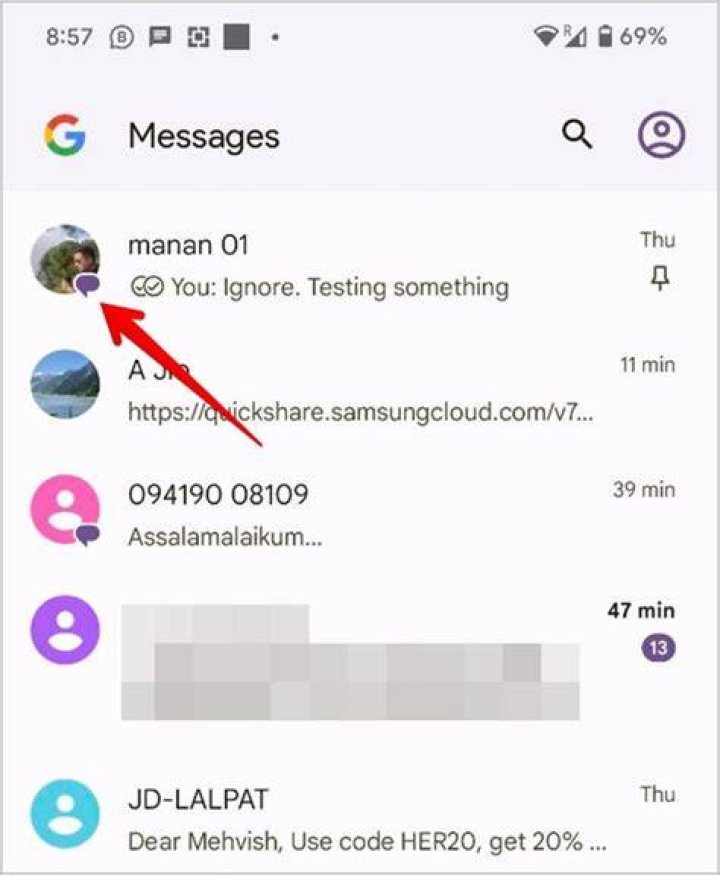
The word cld is used in Texting meaning cold,could.
What does CLD stand for in education?
Culturally and/or Linguistically Diverse
Learners who are Culturally and/or Linguistically Diverse (CLD) Suspected of Having Educational Disabilities.
What does CDL stand for in medical terms?
CDL Medical Abbreviation
| 2 | CDL | Certified Dental Laboratory Prosthodontics, Technology, Dental |
|---|---|---|
| 2 | CDL | Choledocholithiasis Surgery |
| 2 | CDL | Collagen Diagnostic Laboratory Genetics, Syndrome, Collagen |
| 2 | CDL | Cornelia de Lange + 1 variant Health, Healthcare, Syndrome |
| 2 | CDL | Cornelia d D e Lange Surgery |
What is the abbreviation it stand for?
IT Meaning
| 412 | IT | Information Technology + 1 variant Technology, Computing, Computer Security |
|---|---|---|
| 9 | IT | Information Trickery Cybersecurity, Computing, Technology |
| 7 | IT | Innovative Technology Technology, Environment, Innovative |
| 7 | IT | Instructional Technology Technology, Education, Military |
| 7 | IT | Instrument Team Power, NASA, Technology |
What does CLB mean?
CLB
| Acronym | Definition |
|---|---|
| CLB | Current Licensing Basis |
| CLB | Citrus Longhorned Beetle (Anoplophora chinensis) |
| CLB | Career Limiting Behaviour |
| CLB | Converged Load-Balancer |
What is CDL Urban Dictionary?
autourbanbot. 5y. Here’s the Urban Dictionary definition of CDL : Cum Dumpster License.
What does id mean in education?
Accordingly, “intellectual disability” is defined as… “…significantly subaverage general intellectual functioning, existing concurrently with deficits in adaptive behavior and manifested during the developmental period, that adversely affects a child’s educational performance.” [
What is a culturally and linguistically diverse student?
A culturally and linguistically diverse student is an individual who comes from a home environment where a language other than English is spoken and whose cultural values and background may differ from the mainstream culture.
What does CLD stand for in medical terms?
Chronic liver disease (CLD) – compensated.
What do they check during a DOT physical?
Physical Examination Ears (scarring of tympanic membrane, perforated ear drums, etc.) Mouth and throat (to look for problems breathing or swallowing) Heart (murmurs, extra sounds, pacemaker, etc.) Lungs and chest, not including breast examination (abnormal breathing, impaired respiratory functions, cyanosis, etc.)