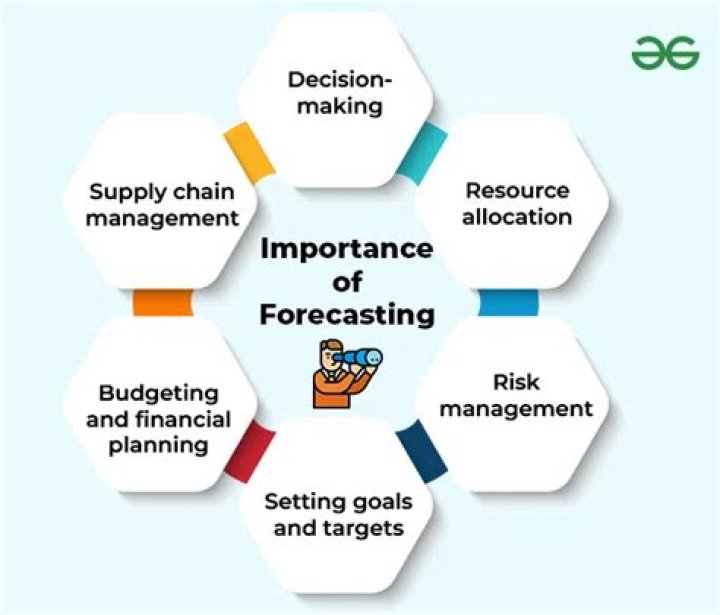
Forecasting is a technique that uses historical data as inputs to make informed estimates that are predictive in determining the direction of future trends. Businesses utilize forecasting to determine how to allocate their budgets or plan for anticipated expenses for an upcoming period of time.
Why forecasting is important in the operations management?
Why is forecasting important? Forecasting is valuable to businesses because it gives the ability to make informed business decisions and develop data-driven strategies. Financial and operational decisions are made based on current market conditions and predictions on how the future looks.
What is forecasting in operations management essay?
Many decisions made in operation management are based on forecasts. In operations management, forecasting is a way of getting information on what a customer will demand in future. This is a way of aligning the supply according to demand in the market.
What are the 7 steps in forecasting?
These seven steps can generate forecasts.
- Determine what the forecast is for.
- Select the items for the forecast.
- Select the time horizon.
- Select the forecast model type.
- Gather data to be input into the model.
- Make the forecast.
- Verify and implement the results.
What are the types of forecasting in operation management?
There are three major types of forecasting, regardless of time horizon, that are used by organizations.
- Economic forecasts address the business cycle.
- Technological forecasts monitor rates of technological progress.
- Demand forecasts deal with the company’s products and estimate consumer demand.
What are the benefits of forecasting?
The Benefits of Forecasting in Planning and Production
- More effective production scheduling. So much of contemporary demand planning strategy can be compared to looking in a rearview mirror.
- Inventory management and reduction.
- Cost reduction.
- Optimized transport logistics.
What is the first step in forecasting?
The first step in the forecasting process is to tell the system to use this data set by setting the Data Set field. If your time series are not in a SAS data set, you must provide a way for the SAS System to access the data.
What is the definition of forecasting in operations management?
Forecasting in Operations Management. For comments: [email protected] Chapter 3: Forecasting Definition: Forecasting is a statement about the future. It is estimating future event (variable), by casting forward past data. Past data are systematically combined in predetermined way to obtain the estimate.
Which is a function of the forecasting function?
Estimation of Future Operations: On the basis of the data collected through systematic investigation into the economy and industry situation, the manager has to prepare quantitative estimates of the future scale of business operations. Here the managers will have to take into account the planning premises. 3.
How are forecasts used in the business process?
But forecasting can help smooth out the process by ensuring adequate resources to meet demand. Organizations use forecasting methods to predict business outcomes. Forecasts create estimates that can help managers develop and implement production strategies. Operations managers are responsible for the processes that deliver the final product.
How does forecasting affect decision making in an organization?
3. 3-3 Forecasting Forecasts affect decisions and activities throughout an organization Accounting, finance Human resources Marketing Management Information System Operations Product / service design