profit and loss statement
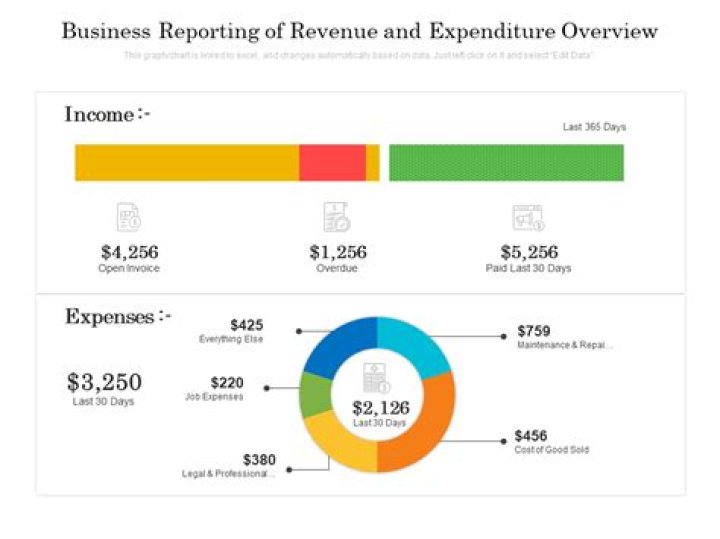
The income statement, or profit and loss statement (P&L), reports a company’s revenue, expenses, and net income over a period of time.
What is the meaning of revenue report?
Revenue Report means a full and proper report setting out the Commercial Revenue in relation to a given period.
What are considered revenue expenses?
Revenue describes income earned through the provision of a business’s primary goods or services. An expense is a cost incurred in the process of producing or offering a primary business operation.
What is the purpose of expense report?
An expense report is a form used to track business spending. It is most commonly completed by employees to itemize expenditures for which they are requesting reimbursement. Receipts are typically attached to the form if the related expenditure amounts exceed a certain minimum amount.
What report shows revenue?
An income statement reports a business’s revenues, expenses and overall profit or loss for a specific period of time. It’s one of the three major financial statements that small businesses prepare to report on their financial performance, along with the balance sheet and the cash flow statement.
What is the definition of an expense report?
The expense report is defined as the type of report that documents the expenses incurred by the business or by the employees of the business and can be maintained on a monthly basis, quarterly basis or on an annual basis.
What is a revenue expenditure in accounting terms?
A revenue expenditure is a cost that will be an expense in the accounting period when the expenditure takes place. Revenue expenditures are often discussed in the context of fixed assets.
What is the purpose of revenue and expense exception reports?
Purpose of Revenue and Expense Exception Reports Companies and organizations use Revenue and Expense Exception Reports to allow a user to detect significant positive or negative budget variances.
How are expenses recorded on an income statement?
Expenses can also be recorded into any number of different line items on an income statement to reflect the particular type of expense. Several financial ratios and metrics take account of revenues and expenses, such as the frequently used EBITDA metric, which is earnings before interest, taxes, depreciation, and amortization.